
Guides
Best Portable Power Stations for Campervans & Motorhomes in Ireland
Feb
Most Irish campervan and motorhome users choose portable power stations between 1kWh and 3kWh. These sizes offer the best balance between portability, appliance flexibility, and charging options for touring conditions in Ireland and Europe.
▹ Browse Portable Power in IrelandNote: This guide is based on real touring feedback from Irish customers, hands-on product experience, and official manufacturer guidance. Off Your Grid supplies and supports portable power systems locally across Ireland. Always check appliance wattage and manufacturer manuals before use.
Introduction
Portable power has become part of how many Irish campervan and motorhome owners travel. It allows you to run essential appliances, charge devices, and stay comfortable without relying solely on campsite hook-ups or fuel generators.
Touring in Ireland presents unique challenges. Weather conditions change quickly, campsites vary in available power, and many overnight stops involve off-grid parking. Portable power offers flexibility and independence when chosen correctly.
The reality of power use on the road
Heating appliances use more power than most expect
The biggest misunderstanding in portable power comes from heating appliances such as: Kettles, Air fryers, Induction hobs, Electric heaters, Hair dryers and Hair straighteners.
These appliances convert electricity directly into heat and draw high levels of power. Portable power stations can support them in many situations, but they really consume the battery capacity quickly.
What customers often underestimate
▹ Heating draw: Cooking and heating appliances use significantly more power than electronics.
▹ System weight: Larger capacity power stations can be heavy and take up valuable payload allowance inside campervans and motorhomes.
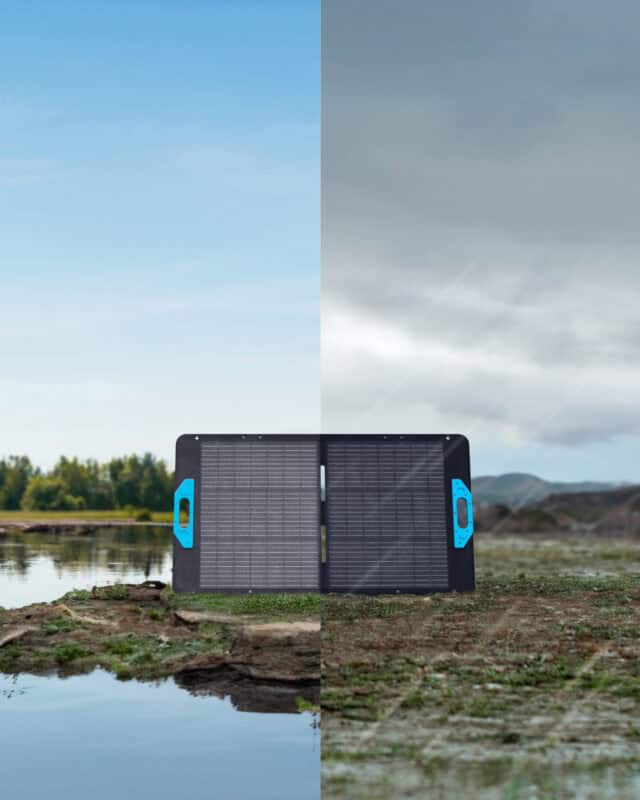
▹ Solar charging expectations: Irish winter sunlight can limit solar charging performance.
What customers often overestimate
▹ Runtime expectations: Portable power stations are designed to support appliances, not replace mains electricity for continuous heating.
▹ Budget expectations: Lower-priced systems generally support lighter hobby items and tech touring needs rather than full off-grid living.
The seasonal storage mistake (common and avoidable)
One of the most common causes of “lost capacity” is simple storage neglect. Portable lithium batteries need a minimum but important maintenance charging during long storage periods. Units left unused over winter can appear to lose capacity when they often just need proper care and seasonal cycling.
What size portable power station do most Irish tourers need?
Around 1kWh capacity
Common examples include: EcoFlow DELTA 3 – Anker SOLIX C1000 Gen 2 – Bluetti AC180P.
Typically suits: Weekend touring – Device charging – Lighting – Fridge support (efficient fridges!) – Occasional small appliance use.
Around 2kWh capacity
Common example: EcoFlow DELTA 3 Max.
This is a great choice because it balances: Increased appliance flexibility – Longer off-grid capability – Manageable transport weight.
3kWh and larger systems
Common examples include: Anker SOLIX F3000 – Bluetti Apex 300 with hub expansion.
Typically suits: Long touring trips – Semi off-grid setups – Multiple appliance users.
But be aware of the weight that comes with your extra capacity and always consider vehicle payload limits and available storage space when choosing larger systems.
Portable power vs campsite hook-up vs generator
Portable power offers flexibility between campsite and off-grid touring.
Portable power advantages include: Silent operation – Minimal maintenance – Flexible charging options – No fuel storage requirements.
Generators may still suit certain high-demand setups, but they often face campsite noise restrictions and ongoing fuel/servicing costs.
Can portable power run campervan appliances?
Yes, many portable power stations can run a kettle if the inverter output (watts) is high enough. The issue is battery capacity: kettles are one of the fastest ways to drain a power station. If you’re off-grid, boil what you need and consider lower‑wattage travel kettles.
Often possible for short bursts, but only if your power station can handle the appliance’s wattage draw, and watch that available power drop! These loads pull hard and can trigger overload if the unit is undersized. For touring, it’s usually best treated as an occasional convenience rather than your main cooking plan.
Some power stations will run them, but check the wattage on the dryer/straighteners first, many are high draw. If you want this for regular use, choose a unit with strong continuous output and keep sessions short. Travel dryers or lower heat settings make a big difference, choose your devices wisely as there are brilliant options on the market.
Generally a good match for portable power because the draw is usually steady and relatively low. Stick to lower settings and avoid running other heavy appliances at the same time. Always keep within the power station’s rated output and use the manufacturer’s recommended sockets.
Diesel heaters can often run from a portable power station when connected using manufacturer-approved methods, usually through a supported DC output. These heaters typically draw a higher surge when starting before settling into lower running power, so it’s important to make sure your power station is designed to handle that startup demand. Always check the official specifications before connecting, and if compatibility isn’t clearly confirmed, it’s best to check first rather than risk damage.
Solar charging reality in Ireland
Solar charging is extremely useful during Irish touring, but it varies significantly by season.
▹ Solar charging performance is strongest from spring through early autumn.
▹ Approximately six weeks either side of Christmas provides very limited solar charging due to reduced daylight and low sun angle.
Portable vs roof-mounted solar panels
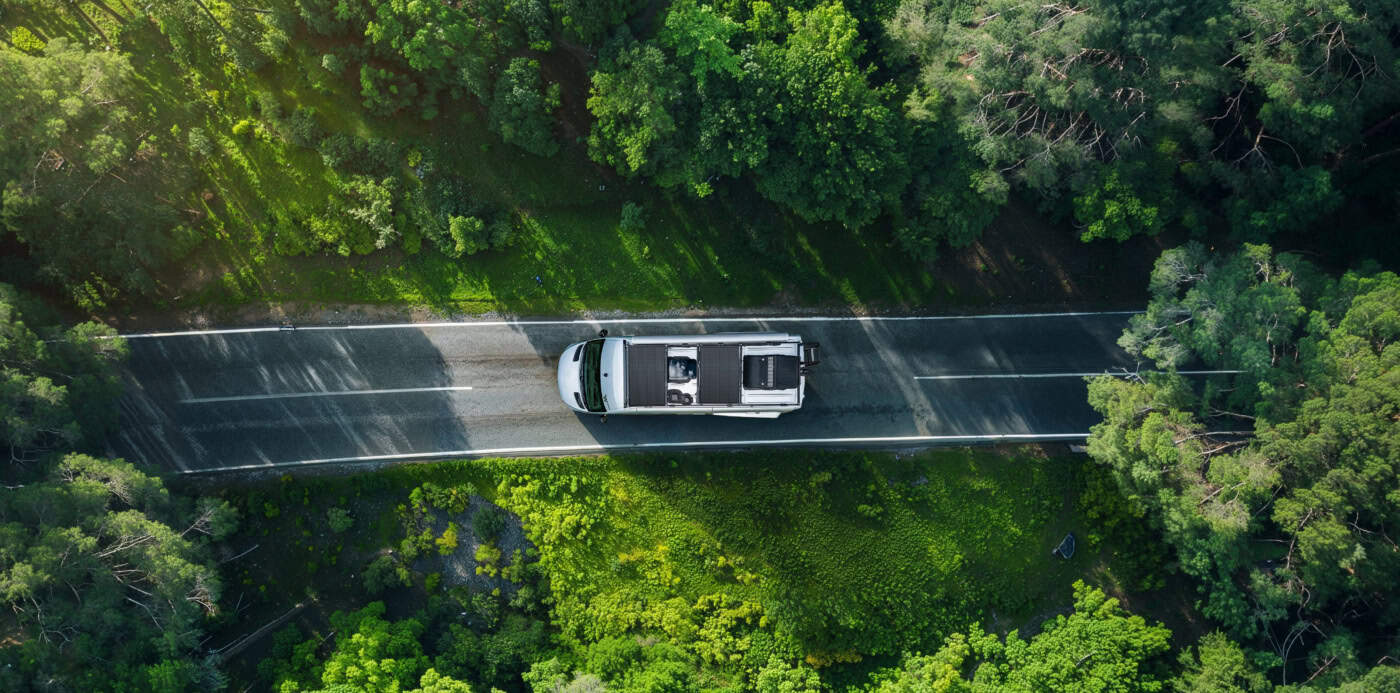
▹ Roof-mounted panels provide convenience and automatic charging, but they’re limited to fixed orientation.
▹ Portable solar panels allow positioning toward sunlight and can improve charging performance during touring stops.
See options here: solar panels.
Charging from vehicle alternators
Many portable power stations support alternator charging using manufacturer-approved charging accessories.
Compatibility varies depending on vehicle electrical systems. In some installations, professional installation is recommended to protect both the vehicle and charging equipment.
If you’re planning alternator charging, start here: ▹ portable power station accessories and always follow manufacturer guidance.
Looking after your portable power station
Battery care significantly affects system lifespan.
Recommended care includes:
▹ Storing a power station fully discharged can permanently damage the battery.
▹ Maintain decent storage charge levels.
▹ Recharge periodically during winter storage.
▹ Follow manufacturer maintenance guidance.
Lessons from Irish touring customers
Portable power systems are rarely used only for campervans. Many customers also use them for: Emergency home backup – Garden room power – Outdoor work and hobbies – Sporting events – Remote working setups.
Portable power often becomes part of everyday living.
Choosing the right portable power station
▹ Touring duration: Weekend touring and long touring require different capacity planning.
▹ Appliance expectations: Cooking and heating appliances influence system size choice significantly.
▹ Charging availability: Solar, alternator charging, and mains access all influence sizing decisions.
▹ Weight and storage space: Larger power stations require consideration of vehicle payload limits and available storage space.
Popular touring systems
All specifications should be confirmed via manufacturer manuals. – EcoFlow DELTA 3 – EcoFlow DELTA 3 Max – Anker SOLIX C1000 Gen 2 – Anker SOLIX F3000 – Bluetti AC180P – Bluetti Apex 300 + Hub.
Campervan portable power FAQs
Portable power stations can run kettles depending on inverter output and battery capacity. Kettles are high-power appliances and will drain the battery quickly.
Many portable power stations support these appliances for short cooking sessions when system output allows.
Most systems support diesel heater startup when connected using manufacturer-approved methods.
Solar charging is limited during winter, particularly six weeks either side of Christmas.
Many systems support alternator charging using manufacturer-supported charging accessories. Compatibility varies by vehicle.
Store with moderate charge levels and recharge periodically during long storage periods. Do not leave it fully depleted.
Most touring users choose systems between 1kWh and 3kWh.
Final advice
Portable power gives campervan and motorhome users flexibility, independence, and reliability when touring in Ireland. Choosing the correct system depends on honest appliance expectations, realistic charging planning, and touring style.
Browse portable power stations in Ireland
Explore portable power systems selected specifically for Irish touring and off-grid travel:

